We remain fully operational. Our teams are working around the clock to ensure your deliveries continue safely.

Descargar la aplicación


Servicios al cliente
Sobre nosotros
Copyright © 2025 Desertcart Holdings Limited
Descargar la aplicación
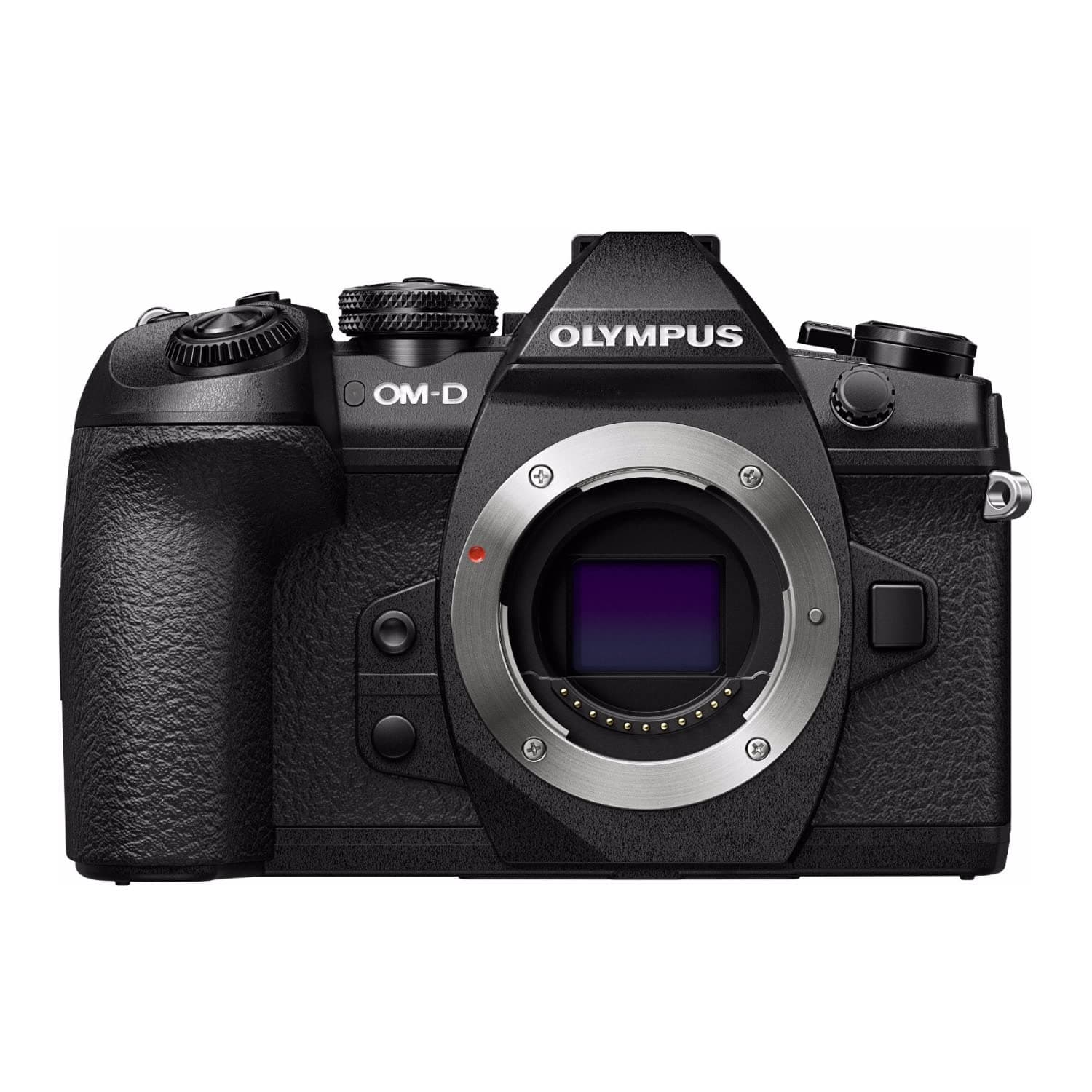

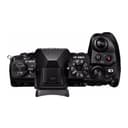
📷 Elevate your craft with the OM-D E-M1 Mark II — where speed meets precision in a weatherproof powerhouse.
The OM SYSTEM Olympus OM-D E-M1 Mark II is a professional-grade Micro Four Thirds mirrorless camera featuring a 20.4MP Live MOS sensor, a cutting-edge TruePic VIII dual quad-core processor, and an ultra-fast 18 FPS continuous shooting capability. Housed in a lightweight, weather-sealed magnesium alloy body, it offers 121 cross-type phase detection autofocus points, 5.5 stops of in-body image stabilization, dual UHS-II SD card slots, and 4K UHD video recording. Designed for demanding photographers and videographers, it combines rugged durability with advanced performance to capture stunning images in any environment.


| ASIN | B01M4MB3DK |
| Age Range Description | Adult |
| Aperture modes | F6.3 |
| Are Batteries Included | Yes |
| Aspect Ratio | 4:3 |
| Auto Focus Technology | Contrast Detection, Phase Detection |
| Autofocus | Yes |
| Autofocus Points | 121 |
| Best Sellers Rank | #131,463 in Electronics ( See Top 100 in Electronics ) #170 in DSLR Cameras |
| Bit Depth | 12 Bit |
| Brand | OM SYSTEM |
| Built-In Media | Camera Body Only |
| Camera Flash | Hotshoe |
| Color | Black |
| Compatible Devices | Olympus cameras and lenses, certain accessories with hot shoe mount |
| Compatible Mountings | Micro Four Thirds |
| Connectivity Technology | USB 3.0, HDMI, 3.5mm audio |
| Continuous Shooting | 18 FPS |
| Crop Mode | Micro Four Thirds |
| Customer Reviews | 4.3 out of 5 stars 207 Reviews |
| Digital Scene Transition | False |
| Digital Zoom | 0.44 x |
| Digital-Still | Yes |
| Display Fixture Type | Articulating |
| Display Resolution Maximum | 1,037,000 |
| Display Type | LCD |
| Dots Per Screen | 1,037,000 |
| Effective Still Resolution | 20.4 MP |
| Expanded ISO Minimum | 64 |
| Exposure Control | Aperture Priority, Auto, Manual, Program, Shutter Priority |
| External-Memory Size | 256 GB |
| File Format | RAW, JPEG |
| Flash Memory Bus Interface Type | UHS-I or UHS-II |
| Flash Memory Installed Size | 256 |
| Flash Memory Speed Class | UHS-I or UHS-II |
| Flash Memory Type | SDXC |
| Flash Memory UHS Speed Class | UHS-I, UHS-II |
| Flash Memory Video Speed Class | V30 |
| Flash Modes | Fill Flash, Off, Red-Eye Reduction, Second-Curtain Sync, Slow Sync, Slow Sync/Red-Eye Reduction |
| Flash Sync Speed | 1/250 Second |
| Focal Length Description | 24-400mm equivalent |
| Focus Features | Active |
| Focus Mode | Continuous-Servo AF (AF-C), Manual Focus (MF), Single-Servo AF (AF-S) |
| Focus Type | Auto Focus |
| Form Factor | slr_style_mirrorless |
| HDMI Type | Type D Micro HDMI |
| Hardware Interface | AV Port |
| Has Color Screen | Yes |
| Image Capture Type | Stills & Video |
| Image Stabilization | Dynamic |
| Image stabilization | Dynamic |
| Item Type Name | Olympus om-d e-m1 mark ii (black) micro four thirds digital camera. |
| Item Weight | 1.1 Pounds |
| JPEG Quality Level | Basic, Fine, Normal |
| Lens Construction | 16 Elements in 11 Groups |
| Lens Type | Macro |
| Manufacturer | Olympus |
| Maximum Aperture | 6.3 f |
| Maximum Image Size | 5184 Pixels |
| Maximum Shutter Speed | 60 Seconds |
| Memory Slots Available | 2 |
| Metering Methods | Center-Weighted Average, Multi-Zone, Spot |
| Minimum Shutter Speed | 60 Seconds |
| Model Name | Olympus OM-D E-M1 Mark II |
| Model Number | V207060BU000 |
| Model Series | OM-D |
| Movie Mode | Yes |
| Night vision | No |
| Number of Diaphragm Blades | 7 |
| Optical Zoom | 1 x |
| Phase Detection Sensor Points | 121 |
| Photo Filter Size | 72 Millimeters |
| Photo Filter Thread Size | 72 Millimeters |
| Photo Sensor Resolution | 20.4 MP |
| Photo Sensor Size | Micro Four Thirds |
| Photo Sensor Technology | CMOS |
| Real Angle Of View | 18.2 Degrees |
| Recording Capacity | 29 Minutes |
| Remote Included | No |
| Screen Size | 3 Inches |
| Self Timer | 12 Seconds |
| Sensor Type | CMOS |
| Series Number | 1 |
| Shooting Modes | Bulb Mode, Time Mode,Aperture Priority, Auto, Manual, Program, Shutter Priority |
| Skill Level | Professional |
| Special Feature | Brightness Control |
| Specific Uses For Product | Photography |
| Supported File Format | RAW, JPEG |
| Supported Image Format | JPEG, RAW |
| Total Still Resolution | 20.4 MP |
| Total USB 3.0 Ports | 1 |
| Total Video Out Ports | 1 |
| Touch Screen Type | Capacitive |
| UPC | 050332191181 |
| Video Output | Micro-HDMI |
| Video Resolution | 4K UHD 2160p |
| Viewfinder | LCD |
| Viewfinder Magnification | 1.48 |
| Warranty Description | 1 Year Parts and Labor |
| White Balance Settings | Auto, Color Temperature |
| Wireless Technology | Wi-Fi |
| Write Speed | 18 fps |
| Zoom | Other |
A**S
A delight to use camera
Having used the EM1.2 for a while, I write down my first impressions, related to Olympus EM10.2, from my feeling experience rather than a scientific view. I get raw images to be processed later with RawTherapee and do not make movies. Note: I know this is nothing new but an end user experience with a still perfectly capable camera... and may help you if you are thinking to move on to an EM1.3 or EM5.3. Ergonomically, is a delight to use. It is more comfortable than EM10.2 in hand, especially with large lenses like 75-300mm. Has many extra buttons, all configurable so all handy options are at a button press far (FN1 = Manual Focus, FN2 = Multi Function with ISO, Front Top Button at left = peaking, Front Bottom Button at left = zoom, etc.). AEL/AFL is more handy to be configured as Back Button Focus (BBF) but I think I'll stick to shutter button because I have the feeling that my hit rate is higher having auto focus there. Front dial on EM10.2 is more comfortable, being the EM1.2 front dial smaller (and rear too). But I'll get used to it, no doubt; I guess it is smaller because it's located on grip instead of body. Weight, almost the same feeling, minimum perceptible extra 180g. Battery life, lasts a little longer. Noise and dynamic range, looks a little better when stretching shadows. Auto focus, see no difference with good light (according to EM1.2 advertising, C-AF mode is PDAF only and S-AF mode is hybrid: PDAF + CDAF). Stabilization, no perceptible difference to me. Over 100mm I haven't found a reliable standing position and breath technique while pressing the shutter so I still adhere to the 1/focal_length speed rule with m43 and 2x crop factor. Below 100mm, I can relax the rule significantly on both cameras as much as 1/2s with 25mm. Menu System is the same as EM10.2. No change here but with some extra options; same complexity but functional. Super Control Panel the same ;-) Shutter feels more silent or quiet; don't know if it is different or a compact metal housing absorbs shutter shock more efficiently. I see a difference with EVF (being LCD instead OLED), liking more OLED in low light situations. I set to OFF 'View Boost - Manual' in order to EVF resemble exposure and WB at first sight. Letting View Boost ON (e.g. when flash is used) in both cameras, they look the same. In good light situations, both OFF, behave similar or equal. Now, pictures aren't worse than with EM10.2... to my relief ;-). But I must say I have the feeling that at pixel level (being myself a pixel peeper) they are softer, using same lens and being both CDAF in S-AF mode. Looking at pictures from both cameras at the same size, they look equal to me so I guess that having the EM1.2 25% more pixels (20MP against 16MP) is less forgiving with motion blur at pixel level. Or perhaps I'm reaching lens capability with this resolution. Tested with several lenses got almost same result. A Pro lens would make a difference? Adding a sharpness notch at post-process solves the situation (fortunately, just a little without producing artifacts or halos). I don't make large prints so I guess I wouldn't take advantage from the resolution increment. C-AF with PDAF, no chances to test it yet. I find this a useful feature because I do some BIF pictures. CDAF does not behave well in this area but I found a technique with EM10.2 that helps. Update: had a chance to try it, and behaves very well and have many pictures in focus where to choose from. Does not hunt and locks focus very fast. C-AF works fine following the subject with a good contrast area and a proper AF target mode. A weather sealed body would make me feel more relaxed in rough environments. Sometimes, I left my EM10 in the bag when faced rough weather - now I know it can handle it but I'm not sure I'll take the camera off the bag :-). Anyway, I own only one weather sealed lens. Both cameras can do focus bracketing. EM1.2 has the ability to produce a stacked jpeg using then internal engine (some lenses only). As I use raw, I post-edit them outside camera and later stack them with Zerene Stacker. As I said before, I still think EM1.2 is an EM10.2 in a better and comfortable weather sealed housing, adding auto focus PDAF, a little more dynamic range and less noise, an extra stabilization stop, two cards slots and a fully articulating monitor screen (plus a high speed sequential shooting and facilities related to continuous/tracking auto focus - that would be of great relevance in action events). All these extra attributes make EM1.2 even better than my highly regarded EM10.2 ;-)
D**F
Early impressions are excellent
I'm an Oly E-M10 Mk I shooter, so this is a huge upgrade. These are only preliminary impressions, which I'll edit as time goes by with longer term tests. Currently testing some of the more vaunted features with my 12-40 F/2.8 Pro lens while waiting on the 12-100 to be in stock somewhere. I'm writing from a perspective of a somewhat experienced photographer. Not a master by any means, but I shoot in manual, raw, and do a lot of OCF work, mostly portraits. It may also amuse you to read my older camera reviews and see my, er, growth (?) as a photographer over the years. :) Onto the review! The exterior is very solid. The grip is much, much improved. There's no gap between my fingers and the grip like there was with the M10, and I know with the M1-I. Everything feels more solid too. I know it's weather sealed, and have seen many reviews and videos of early, promo shooters in Iceland, dropping their body & lens in freezing water with no ill effects. The M10 always felt a bit flimsy to me, and in fact have had some parts come off/fall apart (eye piece, hot shoe plate). All the flaps for the battery, SD Cards (2! Thank you, Olympus!), USB 3 (and type C), mic & headphone (again, thank you , Olympus!) jacks have a good feel to them, as is the fully articulated (3rd thanks!) LCD screen. Only potential downside is if you have the mic and/or headphones plugged in, you won't be able to flip the screen over for selfie-mode on the fly. Fair IQ tests will have to wait, since I don't have a raw converter yet (still on LR 5.7, LR CC has early support, no lens correction as of this writing). DxO Mark had some tests done, and it looks like a tiny increase in high ISO quality over the M1-I, nothing huge, but going from 16 MP to 20 MP will net you a bit more resolution. Maybe a bit more noise if you pixel peep, but if you compare, say, an 8x10 to 8x10, you'll find a better overall image. But I'm not too worried about high ISO shoots, because... The stability is a giant leap over my M10, since it only had 3-axis IBIS. I can't say for sure how much better the M1-II is over the M1-I, but I did some 1 sec hand held exposures at 12mm no problem. (Edit: I've now pulled off an 8 sec (!!!) hand-held shot with my 25mm 1.8, while leaning against a doorframe). I've seen on YouTube a 10sec(!) and a 20sec(!!) hand held exposures with just the body braced against a wall. That latter was paired with the 12-100mm F/4, which gives you an extra stop of stability, but even with a "mere" 5.5 stops of stability, you should be able to get a 12mm, 1 sec exposure for still scenes just by following the reciprocal rule. That is frankly mind blowing. So maybe if you're shooting action in low light, you'll miss having a FF camera, but for still scenes or even portraits, I don't think you'll have issues with image quality. The menu system is, well, it's Olympus. If you're used to previous Oly models, you'll be able to figure things out. The controls are fairly instinctive (again, for Oly shooters) and very customizable--far more than the M10. Some people complain about the mode dial lock, but I absolutely love it, since I rarely take it out of M, but sometimes I'll brush the dial by accident and then wonder why I can't set my shutter or aperture properly. I do have to get used to the power switch being in a new location. New battery is huge. Should last most people a day easily.I got a spare anyway. I'll next update this review when I get a fully supported raw converter, and also when I can pair it with the 12-100mm for the added stability, especially for video shooting, but I'm expecting very good things. There's also a ton of action photography features I need to test, including the ludicrous 60 FPS shooting and the Pro Capture mode where it starts buffering when you press the shutter 1/2 way down. I'm planning on an ice skating shoot in late January (2017), so stay tuned. For now, my initial findings are: Pros: Solid, weather sealed exterior Ridiculous stability, makes up for the need for high ISO shooting for many situations Dual SD slots Video-friendliness: 4K, mic & headphone jacks, fully articulating LCD Tons of excellent Olympus glass with which to pair, and now some combined lens stability too, Really looking forward to testing the 12-100mm F/4 and the 25mm F/1.2 (no lens stability though). 18 FPS with C-AF, 60(!) w/S-AF, all in raw. Bigger, better battery. Faster charging too. Cons: Price. Only you can determine if this camera is "worth it". To me, yes, absolutely. but $2K USD is a lot of money. For this price, you may honestly expect better high ISO performance. Base ISO is 200. There's extended, but I really wanted a 100 or even 64 base ISO. Only 1 SD slot is UHS-II. Kinda bad placement for the mic/headphone jacks for the articulating LCD. Can't reuse old battery. Other: This is probably THE flagship micro 4/3 camera body, with maybe an edge for video to the Panasonic GH series, but for stills, or even combining stills & video, the M1-II is the new king. Whether M4/3 works for you is a different story, and way too long to write about here.
T**N
A solid camera body for the price and still a great carry-around
I bought this body based on the suggestion of a great macro photographer whom I admire. I was shooting with a Canon R7 body before this transition and I thought I had the right gear for my macro preference but I was wrong. After switching to this M1 Mkii I realized that micro four thirds is a step up for what I was trying to achieve. I like close-up, high-magnification macro shots of insects and various critters and this body gave me a greater Dof for my shots. The auto focus was a little wonky and a little slower than I would normally like but for macro, I am shooting manual focus most of the time anyway so it wasn't too much of a drag. There was some significant pulsing when shooting with the M.Zuiko 60mm macro lens if I had the full range set on the lens. When using the limited though, it did a much better job of grabbing focus quicker. The battery life has been great, I am able to get a full 2-hour session on a single battery so that is usually more than I need for any given outing. I did buy a few backup batteries but as of now, I go out with one since most of my shooting areas are right in my own neighborhood so if I start getting low on juice, I can just head back for a quick swap. Hasn't happened yet but who knows? This rig is SOOOO much lighter and easier to carry around than the R7 rig was. It comes in at 1,074 grams (2.37 lbs for all of you on the other side of the pond) which is 798 grams less (1.76 pounds less)!!! That is a huge difference when carrying around in the field for macro for hours at a time. With a smaller and lighter setup, better dof at magnification, amazing IQ, and an overall look and feel, this camera is a great value and a very competent body for all of my needs.
S**N
Fast and accurate C-AF, and and incredibly customizable camera. It’s just about perfect.
Incredibly fast and accurate. I upgraded from the original E-M5 and before that I used mostly Nikon DSLR gear and a Panasonic GF1 for everyday carry. Yes the E-M1 Mark II is a bit larger than the E-M5, and significantly larger than the GF1... but I can carry the E-M1.2 with 12-40mm f/2.8 and 40-150mm f/2.8 in a much smaller and lighter bag than was required for my Nikon kit. Paired with my primes it makes for a very lightweight kit, but most importantly this camera is simply amazing to use. The autofocus is so much faster than the E-M5 Mark I, and the continuous autofocus is very accurate for both stills and video. I love how customizable the camera is, and I can change everything I need to change while shooting quickly and easily without diving into the menu system. A lot of people dislike Oly’s menu system, but it has never bothered me. It’s not intended to be used regularly. Just set up the external controls the way you want them. Everything about this camera is fast (except that it can take a moment to wake from sleep... so either switch off or set auto sleep for longer timeout). You might find yourself taking way too many frames in continuous shooting or ProCapture modes. ProCapture is amazing, but I reduced the FPS for it and continuous modes unless I’m shooting something that calls for it. At first I wasn’t crazy about the flip out articulating LCD compared to the tilting one of the E-M5, but I have gotten used to it. Since my E-M5 LCD is cracked, I like that I can flip the E-M1 LCD around to protect it. The LCD and EVF are fantastic, and the grip is nice... especially for big lenses. Image quality is excellent. I notice better high ISO vs the E-M5 and more room for cropping thanks to the bump up in resolution. Better shadow recovery too. HDR mode is nice to have, but I haven’t used the hi res mode much yet. I like that it includes a clip on flash you can swivel, tilt, and bounce... but it’s not as powerful as a battery powered flashgun. Works well in a pinch though. The WiFi capability is nice to have. Transferring images to smartphone is easy, but you have to shoot JPEG or RAW+JPEG. The Olympus app can also remotely fire the shutter, but it’s not terribly responsive from more than a few feet away. Overall this camera, which was released a couple of years ago, offers all the performance, features, and image quality I want in a high end camera. I think I will get many years of use out of it. If you’re an Olympus shooter, you could wait for the Mark III versions of the E-M5 or E-M1. I’m glad I didn’t wait though.
J**N
I love this camera!
This is not a formal review but comments about this camera from my own perspective and needs. Each person has their own wants and needs for what they want to do with a camera and how they want to do it. So first up about me... I can shoot what I want when I want, and although I sell my work it hardly pays for itself. I usually don't know what I want to shoot so I like to use a walkaround lens that can cover most of what I might want to shoot. I don't like lens changing so I often walk around with two cameras, either different type (maybe IR) or different lense types (e.g., long zoom and walkaround). I hate tripods. I don't do sports photography. I will not buy old-style DSLR cameras -- I love electronic viewfinders and hate flipping mirrors. My cameras before I bought this one were Olympus OMD EM-5, Sony A77, Panasonic G1 converted to infrared. I didn't "need" a camera but was looking. I don't want full frame (lens size, weight, and cost). Sony has recently spent most of their efforts on full frame and so far I don't like their crop sensor cameras plus I'd have to buy all new lenses for any new Sony camera. I was more and more using the Olympus day to day. It is lighter than the Sony and did what I wanted to do. In an idea world, what would I want? low noise and image stabilization. Partly because I hate tripods but also because there are lots of places you either can't take tripods or they would not be convenient or welcome. I talk about monopods and have one but I don't use that either very much... I also like features and customization. Also weather sealing and sturdiness are nice because I don't baby my cameras... This is not a formal review but comments about this camera from my own perspective and needs. There are lots of formal reviews available now and you can read the specs yourself. I love this camera primarily because of its marvelous image stabilization. I can hold at least 2 seconds with this camera. I've taken photos that I absoutely could not take without a tripod with my other cameras (Sony A77 and Olympus OMD EM-5). Also the noise levels are lower than the other cameras and the noise is easier to handle in noise reduction programs. This will allow me to shoot at higher ISO than I have previously felt comfortable with using. I like the feel of it. It has a better grip than the EM-5. Yes it is larger and heavier, but well, you can't have everything in one camera. I like customization and this camera is excellent for that. Many buttons can be set to whatever you want. All you have to do is remember what you did... It also has three custom modes which you can set and put on the mode dial. (That is one less than the EM-1 Mark I.) There are a couple of things I am disappointed in. One is the loss of scene mode. Apparently Olympus claims this is a "professional" camera and no professional would use scene modes. However, professionals will use ART modes? They have them already programmed because they are in the EM-1 Mark I and my EM5 and they could be an option for the ART mode dial position since they are out of dial space. Why do I care? Primarily for the multi-shot functions such as panorama and night shots. I do use both of those on my Sony. It does have autoHDR but it is limited to ISO 200 (you can set the ISO for Sony's autoHDR). Admittedly you can get away with a lot with this camera because of its marvelous IS. I was experimenting with various things in a church and selected autoHDR and pressed the button. As soon as I did I realized I was in trouble because of the slowness of the clicking. So I was very pleasantly surprised when I got home that it came out fine despite the long shutter speeds. And I wasn't even particularly trying to stabilize myself at the time because I had no idea that setting would not choose a suitable ISO. If you want to take multiple shots for HDR in post, options are very easy to get to with the standard button assignments. I love to watch and photograph birds but have not been serious about it because of the required equipment (weight, price, size, required tripod). I may now try harder with birds with this camera. Especially using the new "pro capture" mode. In this mode the camera starts buffering images when you half-press the shutter. When you press the shutter fully it saves the last ones it stored plus starts taking more if you keep pressing the shutter. Much better chance to get just what you want, rather than what happened after... I've not yet tried focus bracketing but I can see that could be very useful to me in landscape photograhy. It also supports focus stacking ( combined in the camera) but I don't currently have a lens supported for this feature. I have not tried the high res mode except to see if it worked... The price? You have to decide for yourself. I'm very pleased with my purchase.
J**S
Love it!
I use the E-M1 mostly for macro work — specifically, I shoot insects, amphibians such as salamanders and frogs, small reptiles (snakes and lizards mostly) and slime molds or fungus (often very tiny) as a hobby. Sometimes I use extension tubes or a Raynox. I upgraded from the E-M5 (which I loved and kept as my back up). I have now used both cameras extensively (including in high humidity rain forests) and they have been put through their paces. Here’s what I like the most about the E-M1: 1. The battery life is excellent. 2. The “out of the camera” files are extraordinary. For my needs, they need very little post processing. 3. It is substantially larger than the E-M5 but still way smaller and lighter than a DSLR. In fact, I routinely shoot one handed which is HUGE for me since I have a free hand to move twigs or leaves out of the way and steady myself (take a look at my photos and you’ll see what I mean. I only shoot in the field). I also hike for hours carrying this camera in one hand using a wrist lanyard for safety and my hand does not get tired — I just hook the tips of my fingers under the grip. 4. I don’t use the flippy screen much but, when I do, it is responsive and easy to use and the magnification (for focus) is excellent. 5. Once you find it in the (awful) menu you can set up "back button" focus and, for my hand size, the button is positioned really well. 6. The ergonomics are pretty good. For example, while lying on my belly, steading a leaf with one hand, I can focus, shoot, turn on focus peaking, use flash compensation and more with my other hand. 7. The files that are produced do not need a lot of tweaking because the camera does an amazing job of getting the white balance right. 8. I LOVE the 1:1 wheel which allows me to rest the lens to the shortest working distance. Here’s what I dislike: The complicated Olympus menu system creates a steep learning curve. The menu system is consistently panned by users and has been the topic of derision for years — and it is not consistent between models. That said, I can usually find most of what I need fairly quickly now I’ve shot with it four or five times a week for a year. I posted some photos that are typical of what I get when I use this camera with the M. Zuiko 60mm lens. These likely have some minor tweaks in Lightroom — but those will truly be minimal. I have used this camera with the Olympus 12-40 and it scored high points there too. If you want to see insect, amphibians and reptile macro shots I post to IG under jeremy.nature.photos. One final point: Keep in mind that my review is all about the relatively narrow field in which I work. As a macro camera this thing is magic. Coupled with the 60mm it has dramatically cut down the number of shots I make in order to get a “keeper”. I’d still use my full frame rig for landscape and birds. I rented an Oly 200mm and shot for a few days in Florida and, while everything worked fine, the m43 format/lens combination does not allow me to create the kind of image I like. I hope this is useful!
A**5
State of the Art Camera, but the one I received was too buggy and froze too often!
I wanted to like this camera, and there is a lot to like: image stabilisation second to none, great size, solid build. But the camera I got had a flaw that was a deal breaker: sometimes, it just wouldn't turn on! It would start turning on and then freeze, with no way to get it to work except turning it off, waiting, and trying again. It didn't happen all the time, but it happened enough times to ruin several opportunities for photos. As I said, this was a dealbreaker for me and I returned it.
M**S
Simply put, a superb camera and fabulous imaging machine
With a background in professional photography, I have a more pragmatic and moderate approach to photography than most in this tech crazed age we live in. Cameras are tools, and a tool requires skill to use the benefits of said tool. Today’s technological advancements in camera gear is so far past what many of us grew up with in the film days, that it is hard to imagine how simple it was to make an image compared to current times. The plethora of parameters, options, customizing and configuring even basic digital point and shoots to mirror less cameras means there can be steep learning curve to squeeze the best out of many of these imaging machines. I have used many excellent cameras that in stock trim were terrible despite great reviews and high praise from experts...learning your camera is imperative. With that intro said, this OMD is a tour de force of an imaging tool. Astounding in features, configurability and performance. To say I’m pleased with it is an extreme understatement. I’ve spent the last 8 years shooting with the E-3 and 2nd to top tier Zuiko zoom glass and never felt the camera held me back much. Graduating to the OMD EM-1 mk2, the quality of my images is much greater and the flexibility to adapt and configure the camera setting to suit yours needs is far better and more in-depth. I’m still learning the envelope of its behaviors in various realms of my primary shooting, mainly environmental abstract and landscape imagery. The sheer ability to tweak and shape and mold the camera to my desires or needs is breathtaking. And it is the single most powerful aspect of this camera....and it’s greatest downfall. It’s complicted menu’s are deep and often confusing until you spend time learning the nomenclature and what the parameters can do. Technically speaking the bump from 10 to 20mp images was a huge leap for my photo’s. Plenty to work with, even in cropping ability there is more than enough. Dynamic range is vastly better than the e-3, which was like slide film of yore, yields more organic images, even the home cooked HDR can be amazing. With that said, critical judgement of exposure was necessary to eke out the range of tones and hues of high contrast scenes in all seasons. The OMD has the ability to take so much more range that I find no troubles getting great exposures, but I also find myself not allowing the camera to get more out of my scenes I’m shooting, such is the depth of its performance. Now, is this as good as APSC, perhaps; ow about full frame of medium format? We all know that answer, but the tech is so good anymore that the scenes we view our images on and the printers that we may print on can’t handle that dynamic range nor color gamut cameras are capable of capturing so there isn’t much point in measurebating the superiority of these cameras. Indeed, this is the golden age of photographic equipment. Suffice to say, this camera is not holding my imaging back in the least. PERIOD. Nor should it hold you back. This camera is small, almost too small. I dont have large hands but while the camera has heft and good balance with many lenses I have put on its face, I do sometimes struggle with comfortable holding in many situations. I’m a big fan of vertical grips for this reason on these smaller cameras. Yes, this does make the camera as a whole bigger, but that also gains comfort, stability and balance and that translates to steady images and shooting ease. If there is one thing I miss is a top mounted display, like on the Panasonic G9 or my old E-3. Not a deal breaker, but it is nice to have. The shooting via the rear lcd or EVF is great and while there are technically better cameras out there in this regard, ie. resolution and clarity, I don’t feel let down either. I love the touch screen focusing and I like the feel of the buttons. Usesing gloves to find and operate the vast buttons is simply a joy. I appreciate the level of thought and engineering in button placement and how the camera feels as you view potential images in the EVF and work the controls to get the image just so before a press of the shutter button....and all by feel! Many cameras are superb imagers but lack this critical tactile aspect that you are left wanting. Focus is swift and accurate, sure footed and discerning. Not perfect mind you, it cant read my mind but it has a high hit ratio and focus is typically right on. The 3rd major update really opens up this camera to nearly the ;ever of the mkiii and EM-1X. There is a lot of sophistication to the algorithms in side and the tweaking that can be done to fine tune is maddening. Much like Nikon focusing tech, you need to dig in and learn how to tweak this camera to make it work best for you and your success in grabbing shots depends on this and can be oftentimes frustrating. But in that frustration comes the power, if you can Be patient. One quick work about build quality. You will NEVER feel let down by this camera. It is solid. It’s light by virtue of its size but has heft and weight like a proper tool should. Switches have a smooth throw but require at the right amount of effort to work. Buttons have a very tactile feeling...no accidental triggering of external modes on this camera. Just like my brick of a camera E-3, this camera is very weather indifferent. Go and use it, don’t. Mind the elements. Shy of full underwater use, this camera will not hold you back. It is awesomely realizable. I regularly rinse of my camera in the sink, not full immersion, and not in full pressure stream and I have never had an issue. Weatherproof is not an exaggeration in my experience. I shoot in heavy moisture and rain in the warm seasons and in sub zero in the cold seasons. The only issue, common to all cameras I have used, battery life substantially drops in the cold. I find the battery life to be pretty good, but down quite a bit from my E-3, but I feel like the full electronic nature of this camera is the sole reason for the shorter battery life. I’m still getting a feel for this aspect but it certainly isn’t DSLR level battery life. The HLD-9 grip will solve that issue and I imagine the second battery will make for easy all day affairs. Another standout feature of this camera is the IBIS! Legendary and very remarkable! And high use of it depletes the battery significantly in the field. But let me be clear, it rocks the casbah when you can’t use a tripod and need to get the shot hand held. I try to use a tripod as much as possible, but often cant get the shot with one and this camera loves to get me sharp images that are clearly in tripod territory. Wonderful for low level, on your stomach in the mud kinda stuff. That said, I try to not lean on it too much because its addicting and makes me soppy in form, but damn its so easy, fun and smooth! HDR tech is great nad while it is fun and can result in outstanding images, it can be a challenge to ecke out the proper tones and contrast balance, so post processing is a must. But there have been plenty occasions were a light touch of HDR made the image possible. Another amazing tech, that was overblown, but very useful and excellent is the claimed 50MP hi-res mode. While it is not that high, closer to 36ish in my opinion, it really is good and noticeable in static shots. Given this is first generation implementation, I am not sure how much is hardware versus software based. Meaning it is very unclear if future updates will ever improve the performance. That said, it works, its good and if you have need, its another tool in the tool box. The last remaining thing I feel inclined to mention are the mean menus architecture. Why so damn complicated Olympus?! That complaint aside, the vast menu gives us great power in configuring nearly every button or switch and adjust parameters to hearts content. The super control panel is awesome and most of the important and high use parameters are accessible in there. Kudo’s for its inclusion! There is much more I can wax poetic about his amazing camera. This is already far longer than I anticipated but I hope you get a feel for my thoughts on this fine lil camera. Please don’t let specs dictate your next camera purchase, you gotta test drive and if you’ve got some experience and skill, meaning you aren’t a rank noobie, this is an excellent option to try out. It’s not the best, nor fastest nor the highest ISO rig out there, but to my mind, its not meant to be. It’s a fine tool meant to extend the level of a photographers imaging capabilities and vision with Goldilocks size and weight. It’ll grow with your abilities and help you grow your skills as well. There isn’t a problem with finding great native mft mount lenses, and the small form factor of many of them means having your camera with you always ready to go. And you ought not get tired of lugging around gear on extended photographic forays. Bravo Olympus! Update: 1 year later, still loving this camera. New news....Olympus is folding up its camera division. Sad times, but I think the gear is still amazing and if you are still looking for an amazing camera, don’t pass up the deals coming on this camera. So many good lenses for micro 4/3rds and Olympus quality is tops. I’m on th shunt for a mkiii and maybe an EM-1X that will flood the market soon.
Trustpilot
Hace 2 semanas
Hace 2 semanas